
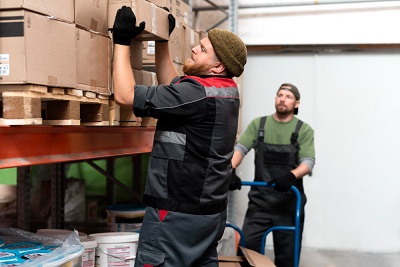
In fast-paced Australian warehouses and distribution centres, unstable pallets can quietly drain profit. Damaged cartons, rejected deliveries and workplace injuries often trace back to one issue — inconsistent load containment. While manual stretch wrapping may seem sufficient for smaller operations, growing businesses quickly realise its limitations. Modern pallet wrapping machines offer a safer, faster and far more consistent way to secure palletised goods. Instead of relying on manual effort, these systems apply controlled stretch film tension and uniform coverage, protecting stock throughout storage and transport. For companies focused on efficiency, compliance and cost control, automation has become a practical necessity rather than a luxury.
Why Consistent Load Containment Matters
Every pallet that leaves your facility represents your brand. Poor wrapping can result in:
- Shifted or collapsed loads during transit
- Damaged stock and returns
- Increased insurance claims
- Lost customer trust Manual wrapping often leads to uneven tension and excessive film usage. By contrast, pallet wrapping machines standardise the process, ensuring repeatable results regardless of who is operating the equipment.
What These Systems Actually Do
At their core, pallet wrapping machines are designed to secure palletised goods using stretch film applied at consistent tension. Operators can control film stretch, rotation speed and wrap cycles, resulting in uniform containment. Unlike manual methods, pallet wrapping machines reduce human error and fatigue. They also improve productivity by dramatically lowering the time required to secure each load.
Different Types of Wrapping Equipment
Choosing the right configuration depends on throughput, load stability and floor space.
Turntable Units
These systems rotate the pallet while a film carriage travels vertically. Best suited for:
- Uniform pallet sizes
- Stable loads
- Medium-volume dispatch operations Advantages:
- Cost-effective
- Simple controls
- Reliable daily performance Limitations:
- Not ideal for unstable or very lightweight pallets
Rotary Arm Systems
Instead of spinning the load, an arm rotates around a stationary pallet. Best suited for:
- Fragile or tall loads
- Products prone to tipping Advantages:
- Greater stability
- Reduced movement during wrapping Limitations:
- Higher upfront investment
Mobile Robotic Units
These flexible pallet wrapping machines move around the pallet during operation. Best suited for:
- Irregular pallet sizes
- Warehouses with limited fixed space
Key Features to Look For
Not all pallet wrapping machines are built equally. Focus on performance-driven features that improve efficiency and reduce waste.
Essential Checklist
- Adjustable film tension
- Pre-stretch film carriage
- Programmable wrap cycles
- Soft start and stop
- Emergency safety stop
- Automatic height sensing Pre-stretch capability is particularly important, as it maximises film efficiency without compromising load security.
Manual Wrapping vs Automation
FactorManual MethodAutomated SolutionSpeedSlowerFaster & consistentFilm WasteHighOptimisedWorker SafetyHigher strainReduced riskConsistencyVariableUniformLong-Term CostOngoing labour expenseLower over timeFor businesses dispatching dozens of pallets daily, pallet wrapping machines offer clear operational advantages.
Real-World Warehouse Scenario
Consider a distribution centre sending out 120 pallets per day. Manual wrapping may take 3–4 minutes per pallet, requiring multiple staff members. After installing pallet wrapping machines, wrapping time drops to under two minutes per pallet. Typical outcomes include:
- Labour reallocation to higher-value tasks
- Reduced stretch film consumption
- Fewer damaged shipments
- Improved dispatch turnaround times Over 12 months, these efficiency gains often offset the initial investment.
How to Choose the Right Equipment
Step 1: Assess Throughput
- Under 30 pallets per day → Semi-automatic system
- 30–150 pallets → Turntable configuration
- 150+ pallets → Fully automatic integration
Step 2: Evaluate Load Stability
If loads are top-heavy or fragile, rotary arm systems provide greater control.
Step 3: Review Floor Space
Ensure adequate room for installation. Mobile options may suit dynamic layouts.
Step 4: Plan for Growth
Select equipment that accommodates future expansion to avoid costly upgrades.
Advantages and Considerations
Benefits
- Increased operational efficiency
- Lower film consumption
- Improved workplace safety
- Reduced product damage
- Consistent professional presentation
Considerations
- Initial capital cost
- Scheduled servicing
- Basic operator training For medium to high-volume facilities, the long-term savings typically outweigh the upfront expense.
Maintenance for Long-Term Performance
Regular upkeep ensures pallet wrapping machines operate reliably for years.
Maintenance Checklist
- Inspect rollers and moving components weekly
- Clean film carriage system
- Monitor tension calibration
- Arrange annual servicing Preventative maintenance reduces downtime and protects your investment.
Supporting Workplace Safety Standards
Australian WHS regulations emphasise reducing repetitive strain and manual handling risks. By automating load containment, pallet wrapping machines significantly decrease bending and twisting movements associated with manual wrapping. This not only protects staff but also reduces workers’ compensation claims.
Sustainability Benefits
Efficient film application reduces plastic waste. Many pallet wrapping machines include pre-stretch systems that optimise film usage while maintaining strong load containment. Environmental benefits include:
- Lower packaging waste
- Reduced material costs
- Smaller carbon footprint
Frequently Asked Questions
Pricing varies depending on automation level and features. Entry-level models are more affordable, while integrated systems require greater investment.
Yes. Pre-stretch technology significantly lowers material consumption compared to manual wrapping.
Most systems feature user-friendly controls and require only basic training.
Many facilities achieve ROI within 6–18 months through labour savings and reduced product damage.
Yes. Specific configurations are designed for fragile or top-heavy loads.
Final Thoughts
Efficient load containment is a critical part of modern warehouse management. Investing in pallet wrapping machines strengthens safety, improves consistency and reduces operational costs over time. If your facility still relies on manual wrapping, it may be time to evaluate a more reliable solution. The right system will protect your products, streamline workflow and support long-term growth across your entire operation.